

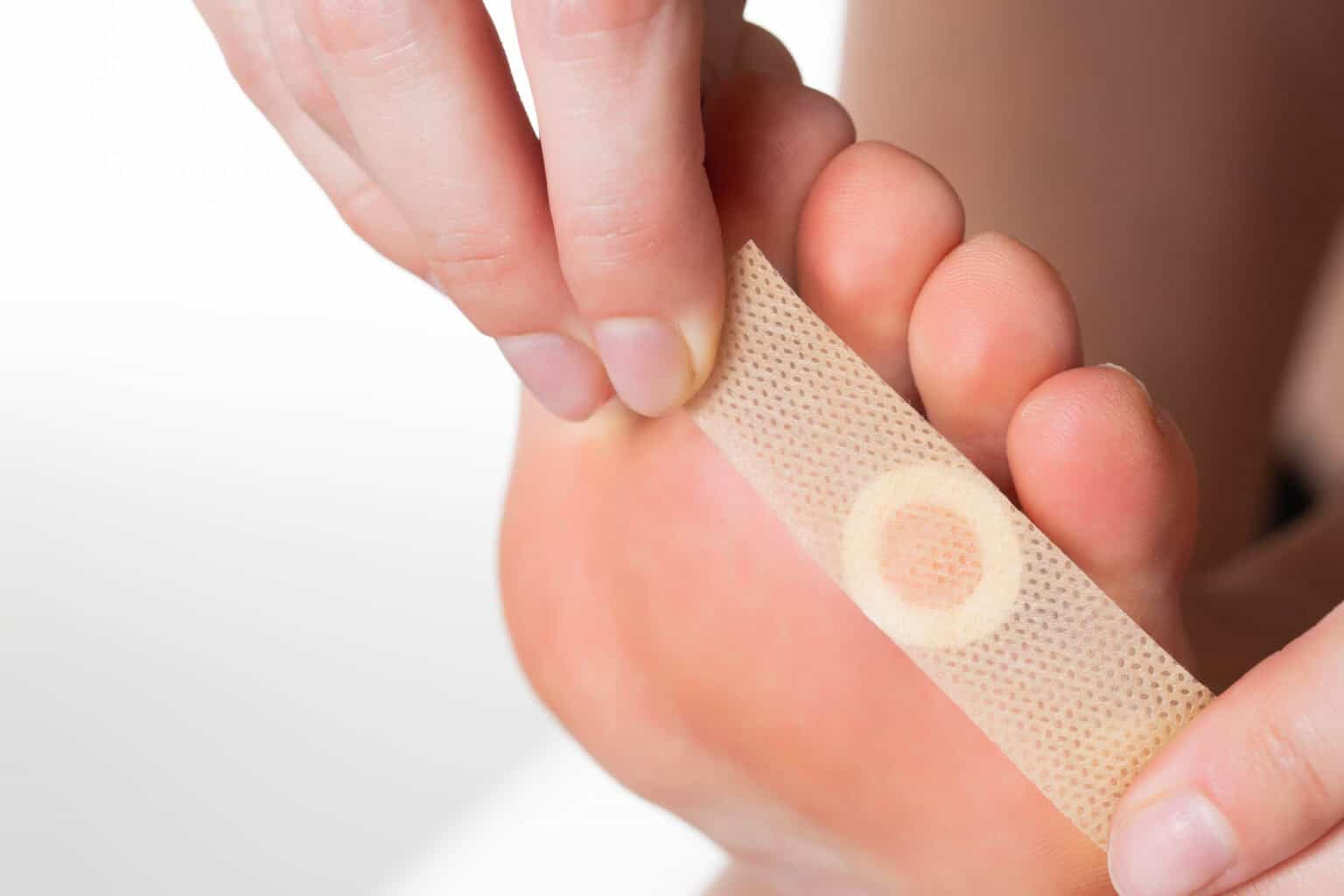
If you have ever stepped on what feels like a small pebble that never seems to leave your shoe (no matter how many times you check) you may already be familiar with the discomfort of a plantar wart. These stubborn viral growths affect the bottom of the foot and can make everyday walking genuinely painful. The good news: with proper podiatric care, they are very treatable.
At Yeargain Foot & Ankle, we see patients with plantar warts regularly. This guide covers everything you need to know about the condition; from why HPV triggers them, to exactly how our doctors approach treatment.
What Is a Plantar Wart?
A plantar wart (medically termed verruca plantaris) is a non-cancerous skin growth caused by a viral infection in the outermost layer of skin. Unlike warts that appear on the hands or fingers, plantar warts form on the weight-bearing surfaces of the foot; most commonly the heel, the ball of the foot, and the base of the toes.
Because of the pressure placed on the foot during walking, plantar warts tend to grow inward beneath a layer of thick, callused skin rather than protruding outward. This inward growth is what makes them uniquely painful and what sets them apart from warts elsewhere on the body.
Plantar warts can appear as a single lesion or cluster together into what is known as a mosaic wart — a larger, tiled pattern of multiple warts that can be more resistant to treatment.
What Causes Plantar Warts?
Plantar warts are caused by the human papillomavirus (HPV) — specifically low-risk strains such as HPV types 1, 2, 4, 60, and 63. Despite the HPV name, these strains are entirely unrelated to the strains associated with cervical cancer or other serious conditions.
The virus enters the body through tiny cuts, breaks, or weak spots in the skin on the bottom of the foot. It thrives in warm, moist environments and is easily transmitted in places where people walk barefoot, including:
- Public pools and spas — wet pool decks and hot tub surrounds are ideal environments for HPV to survive on surfaces
- Locker rooms and gym showers — shared shower floors in sports facilities are a common source of exposure
- Changing rooms — walking barefoot on shared surfaces increases transmission risk
It is important to note that HPV is not highly contagious — many people are exposed but do not develop warts. The virus takes advantage of compromised skin barriers and weakened immune responses.
Symptoms and How to Identify a Plantar Wart
Plantar warts can sometimes be mistaken for corns or calluses, so knowing the distinguishing characteristics is important for getting the right treatment. Key signs include:
Interrupted skin lines
The natural ridges of your footprint (like fingerprints) will be disrupted around the wart — a key diagnostic sign not found with corns or calluses.
Black pinpoints
Often called “wart seeds,” these are actually small, clotted blood vessels that appear as tiny black or brown dots at the center of the growth.
Pain on compression
Squeezing the sides of the wart (rather than pressing directly on it) often produces more pain than pressing straight down, another distinguishing feature.
Rough, grainy texture
The surface is typically callused, rough, and thickened, with a slightly different skin tone from the surrounding area.
A note on pain: Not all plantar warts hurt. Those located directly on a weight-bearing surface tend to cause more discomfort, while warts on the arch or heel edges may be nearly painless. Pain alone is not a reliable indicator of severity.
Who Is Most at Risk?
Plantar warts can develop in anyone, but certain groups face a higher likelihood of infection:
Children and teenagers are disproportionately affected, as their immune systems are still developing and they are more likely to use communal facilities like pools and locker rooms barefoot.
Athletes — particularly swimmers, gymnasts, and runners — face elevated risk due to frequent exposure to warm, wet environments and foot skin that is often stressed or cracked.
People with weakened immune systems, whether from medical conditions or medications, are also more susceptible, and their warts may be more numerous and harder to eliminate.
Additionally, individuals with a history of previous plantar warts are more prone to recurrence, as some people appear to have a genetic predisposition to HPV-related skin infections on the feet.
Professional Treatment Options at Yeargain Foot & Ankle
Over-the-counter wart products have a limited success rate, especially for plantar warts that have become deeply embedded or have persisted for months. Professional podiatric treatment is significantly more effective because it can be precisely tailored to the size, depth, and number of warts and adjusted across sessions based on your response.
At Yeargain Foot & Ankle, our doctors evaluate each patient individually and discuss all treatment options before recommending a course of care. The most commonly used approaches are shown in the table below:
| Treatment | How It Works | Sessions Needed | Best For |
|---|---|---|---|
| Cryotherapy (liquid nitrogen) | Freezes and destroys wart tissue, triggering an immune response | 2–6 sessions | Most plantar warts; first-line treatment |
| Salicylic acid (prescription strength) | Chemically removes layers of wart tissue, combined with debridement | Multiple sessions | Children; patients sensitive to freezing |
| Pyrogallic acid | Applied in-office; causes skin under wart to blister and lift | 2–4 sessions | Pediatric patients; suitable for all ages |
| Immunotherapy | Stimulates immune system via topical sensitizers or injections to attack HPV | Variable | Recurrent, multiple, or treatment-resistant warts |
| Surgical excision | Minor in-office procedure to surgically remove the wart under local anesthesia | 1 session | Large single warts unresponsive to other treatments |
| Laser treatment | Pulsed-dye or CO2 laser destroys wart blood supply or tissue directly | 1–3 sessions | Persistent or mosaic warts; suitable for all ages |
Our approach: Both Dr. Yeargain and Dr. Agyen are known for taking the time to explain your options clearly before any procedure. Treatment plans are never one-size-fits-all — your comfort, lifestyle, and the specifics of your condition all factor into the recommendation.
What About Home Remedies and Over-the-Counter Products?
Pharmacy shelves offer a range of wart treatments; salicylic acid pads, freeze sprays, and duct tape regimens among the most popular. These can occasionally work for superficial, newly developed warts, but they carry significant limitations when applied to plantar warts.
The thick, callused skin on the sole of the foot acts as a barrier that slows penetration of topical agents. Over-the-counter cryotherapy products also reach much lower temperatures than the liquid nitrogen used in a clinical setting, making them far less effective at destroying wart tissue. Perhaps most importantly, these products do not address the underlying viral cause, and misapplication can damage healthy surrounding tissue.
Important caution: Patients with diabetes, poor circulation, or peripheral neuropathy should never use over-the-counter wart treatments on their feet without consulting a podiatrist first. Skin damage in these patients can lead to serious complications.
If you have been treating a plantar wart at home for more than 8–12 weeks without clear improvement, it is time to seek professional evaluation.
When Should You See a Podiatrist for a Plantar Wart?
While mild plantar warts sometimes resolve on their own (particularly in children, whose immune systems often mount a successful response), many do not. Waiting too long can allow the wart to grow larger, multiply, or become significantly more painful. We recommend scheduling an appointment if any of the following apply:
- You are experiencing pain or tenderness that affects your gait or daily activities
- The wart is changing in appearance; growing rapidly, bleeding, or changing color
- You have multiple warts or a mosaic cluster that is spreading
- Home treatment has failed after 8–12 weeks of consistent use
- You have diabetes, circulatory problems, or a compromised immune system of any kind
- You are unsure whether the lesion is actually a wart. Other conditions can mimic plantar warts and benefit from accurate diagnosis
What Our Patients Say
★★★★★ Google Review
***10 STARS*** Amazing office and amazing doctors! I have seen both Dr. Yeargain and Dr. Agyen 3 times each for a total of 6 visits for multiple large plantar warts. Both doctors are very friendly and chill but also so smart and good at explaining treatment options! And the staff is extremely easy to work with and talk to! I am in my 20s and I see many different specialists and have had many bad experiences in the past with offices and with doctors so believe me when I say this office is amazing. Genuinely good people who actually care.
— Verified Google Review — Yeargain Foot & Ankle Patient
★★★★★ Google Review
Dr. Yeargain was extremely attentive, took care of a plantar wart that I was suffering with for months and after just a few sessions, my issue was completely gone! Totally recommend him and his team.
— Verified Google Review — Yeargain Foot & Ankle Patient
Preventing Plantar Warts
Once you have had a plantar wart successfully treated, the goal is making sure it does not come back. Prevention focuses on reducing HPV exposure and maintaining the integrity of the skin on your feet:
- Wear flip-flops or sandals in public showers, locker rooms, and around pool decks
- Keep your feet clean and dry — change socks regularly and allow shoes to fully air out between wears
- Do not share towels, socks, shoes, or nail files with others
- Keep warts covered with a waterproof bandage in shared spaces to reduce spreading
- Inspect your feet regularly and address any cracks, blisters, or minor cuts promptly
Boosting your overall immune health through adequate sleep, nutrition, and stress management can also make a meaningful difference; a robust immune system is the body’s most effective natural defense against HPV.
Frequently Asked Questions About Plantar Warts
Are plantar warts contagious?
Yes, plantar warts are caused by a virus (HPV) and can spread through direct contact with the virus on surfaces or from person to person. However, they are not highly contagious and most people who are exposed do not develop warts. The risk increases if you walk barefoot in communal areas or have minor skin breaks on the sole of your foot.
Will a plantar wart go away on its own?
Some plantar warts do resolve without treatment, particularly in children, whose immune systems often clear the virus within 1–2 years. In adults, spontaneous resolution is less common, and warts that are painful or growing should not be left untreated. Professional treatment dramatically speeds up resolution and reduces the risk of spreading.
How many treatment sessions will I need?
This varies depending on the size and depth of the wart, the treatment method chosen, and how your immune system responds. Many patients see complete resolution within 2–6 sessions of cryotherapy. Larger or mosaic warts may require more sessions or a combination approach. Our doctors will reassess your progress at each visit and adjust the plan accordingly.
Is plantar wart treatment painful?
Most treatments involve some discomfort — cryotherapy produces a stinging or burning sensation during and briefly after application, and some patients feel tenderness in the treated area for a day or two. The procedures are performed in-office without significant downtime. Your doctor will discuss what to expect before beginning any treatment.
Can plantar warts come back after treatment?
Recurrence is possible because treatment targets the wart itself but cannot guarantee the HPV virus is fully eliminated from surrounding tissue. Recurrence rates are lower when treatment is thorough and patients follow through on all recommended sessions. Preventive habits significantly reduce the likelihood of a new infection.
Are plantar warts dangerous?
Plantar warts are benign and non-cancerous. They are caused by low-risk HPV strains with no association with cancer. The main concern is pain, difficulty walking, and potential spread to other areas of the foot. Patients with diabetes or compromised circulation should seek treatment promptly, as any open skin lesion on the foot carries additional risk in those populations.
Ready to Get Rid of Your Plantar Warts for Good?
The team at Yeargain Foot & Ankle is here to help. Whether you have one stubborn wart or a cluster that has been bothering you for months, our doctors will work with you on a treatment plan that fits your lifestyle, and genuinely care about the outcome.
Schedule your appointment today! Call our office or book online.